


Ensuring your fleet has the right vehicle safety features is one of the most important vehicle safety tips for fleet managers. By taking a proactive approach, fleet managers can reduce accidents, protect drivers, and minimise vehicle downtime.
In this article, we explore the key safety features every fleet should implement. From reflective tape for vehicles and advanced driver assistance systems to essential onboard safety equipment, these measures improve road safety and support regulatory compliance.
Most Important Safety Features for Vehicles
Investing in fleet safety benefits both drivers and the public. Additionally, it helps businesses reduce repair costs, lower insurance claims, and improve operational efficiency.
Simple improvements, such as installing reflective tape on cars, vans, and HGVs, make vehicles more visible in poor weather and low-light conditions. As a result, better visibility reduces the likelihood of collisions and helps fleets comply with industry regulations.

1. Install High-Visibility Reflective Markings
Adding high-visibility markings and reflective strips is one of the easiest ways to improve fleet safety. Reflective tape makes vehicles much easier to see at night or during poor weather.
Many regions require large commercial vehicles to use red-and-white conspicuity tape on trailers. As a result, applying reflective tape to fleet vehicles allows other road users to spot them from greater distances. This simple upgrade significantly reduces the risk of accidents.
2. Equip Vehicles with Advanced Driver Assistance Systems (ADAS)
Modern fleet vehicles benefit from a range of advanced driver assistance systems (ADAS). These technologies help drivers avoid common hazards and improve overall awareness.
Useful ADAS features include:
- Rear-view cameras
- Parking sensors
- Lane departure warning systems
- Blind-spot monitoring
- Reversing alarms
Rear-view cameras and reversing alarms help prevent collisions when reversing. Blind-spot monitoring warns drivers about nearby vehicles, while lane departure systems alert drivers if they drift from their lane. Together, these systems provide an extra layer of protection on the road. As a result, drivers can react more quickly to potential hazards.

3. Use Telematics and Driver Monitoring
Telematics systems improve both fleet efficiency and driver safety. GPS tracking and driver monitoring allow fleet managers to track vehicle speed, harsh braking, rapid acceleration, and other driving behaviours.
Using this information, managers can identify risky habits and provide targeted driver coaching. In addition, some systems offer in-cab alerts for speeding or failing to wear a seatbelt. These real-time reminders encourage safer driving every day.
4. Keep Essential Safety Equipment in Every Vehicle
Every fleet vehicle should carry essential emergency equipment. Standard items include:
- A first aid kit
- A fire extinguisher
- A warning triangle
- High-visibility jackets for drivers and passengers
Warning triangles or traffic cones alert approaching drivers during breakdowns or roadside incidents. High-visibility clothing keeps drivers visible when working outside the vehicle. A well-stocked first aid kit allows drivers to respond quickly to minor injuries until further help arrives.
These items are inexpensive, easy to maintain, and often required by company policies or local regulations.
5. Prioritise Preventative Maintenance
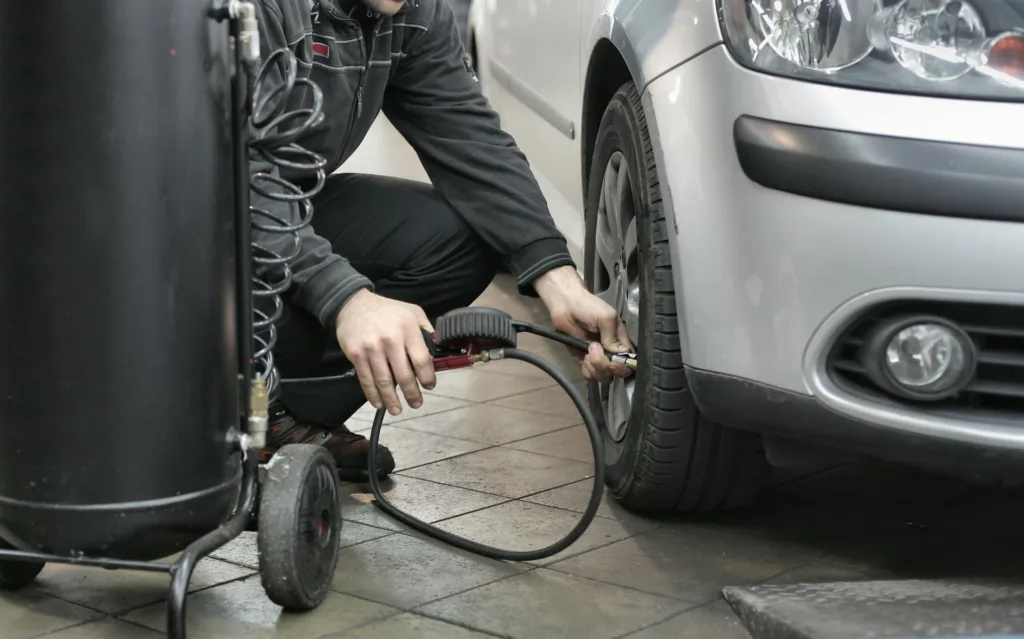
Regular maintenance plays a vital role in fleet safety. Well-maintained vehicles are less likely to suffer mechanical failures that could cause accidents.
Fleet managers should routinely inspect:
- Tyre pressure and tread depth
- Brakes
- Lights and indicators
- Horns
- Windscreen wipers
- Load security
Many businesses also require drivers to complete pre-drive inspection checklists. These checks help identify issues before vehicles leave the depot, reducing the risk of breakdowns and improving road safety.
6. Driver Training and Safety Policies
Technology works best when supported by well-trained drivers. Regular training keeps drivers up to date with defensive driving techniques and reinforces good habits.
Training should cover:
- Seatbelt use
- Safe following distances
- Speed management
- Hazard awareness
- Mobile phone policies
Many fleet operators also reward accident-free driving. Incentive schemes encourage drivers to maintain high safety standards and create a stronger safety culture.

Why Invest in Fleet Safety
Companies that install essential safety markings, reflective tapes, and protective products create a safer fleet for both their drivers and the public. These simple additions help reduce accidents, minimise vehicle downtime, and improve the efficiency of day-to-day operations.
High-visibility reflective markings, such as red-and-white conspicuity tape, make large vehicles much easier to spot, especially at night or in poor weather. Reflective tape helps other road users see fleet vehicles from greater distances, reducing the risk of collisions while supporting compliance with safety regulations.
Alongside these safety measures, it’s worth keeping general-purpose tapes in every fleet vehicle. They provide a quick solution for temporary roadside repairs, securing loose trim, bundling cables, or holding damaged parts in place until permanent repairs can be made. Protective films and surface protection tapes also help prevent scratches and preserve vehicle branding and safety decals, keeping your fleet looking professional while protecting important markings.

Inspect Safety Markings Regularly
Fleet safety does not end after installation. Reflective tapes and protective films gradually wear due to weather, road debris, and regular vehicle washing.
Routine inspections help ensure safety markings remain bright, secure, and compliant. Replacing worn or damaged materials keeps vehicles visible and maintains high safety standards.
Maintain a Professional Fleet Image
Quality reflective tapes and protective products improve more than safety. They also help create a clean, professional fleet appearance.
Well-maintained vehicles reflect positively on your business. Clear markings and undamaged branding demonstrate professionalism, responsibility, and attention to detail. For businesses that rely on branded vehicles, protecting that image helps build customer trust and strengthen brand reputation.
Final Thoughts
Working with a trusted adhesive manufacturer in the UK makes it easier to source high-quality reflective tapes, vehicle markings, and protective products that meet local regulations.
By investing in the right safety features, maintaining vehicles properly, and training drivers regularly, fleet managers can reduce accidents, improve compliance, minimise downtime, and create a safer, more efficient fleet for everyone.
